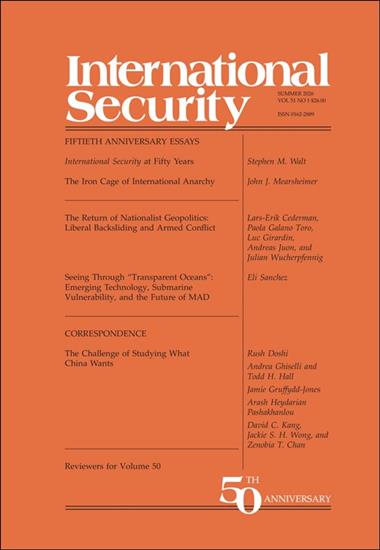



Seeing Through “Transparent Oceans”: Emerging Technology, Submarine Vulnerability, and the Future of MAD
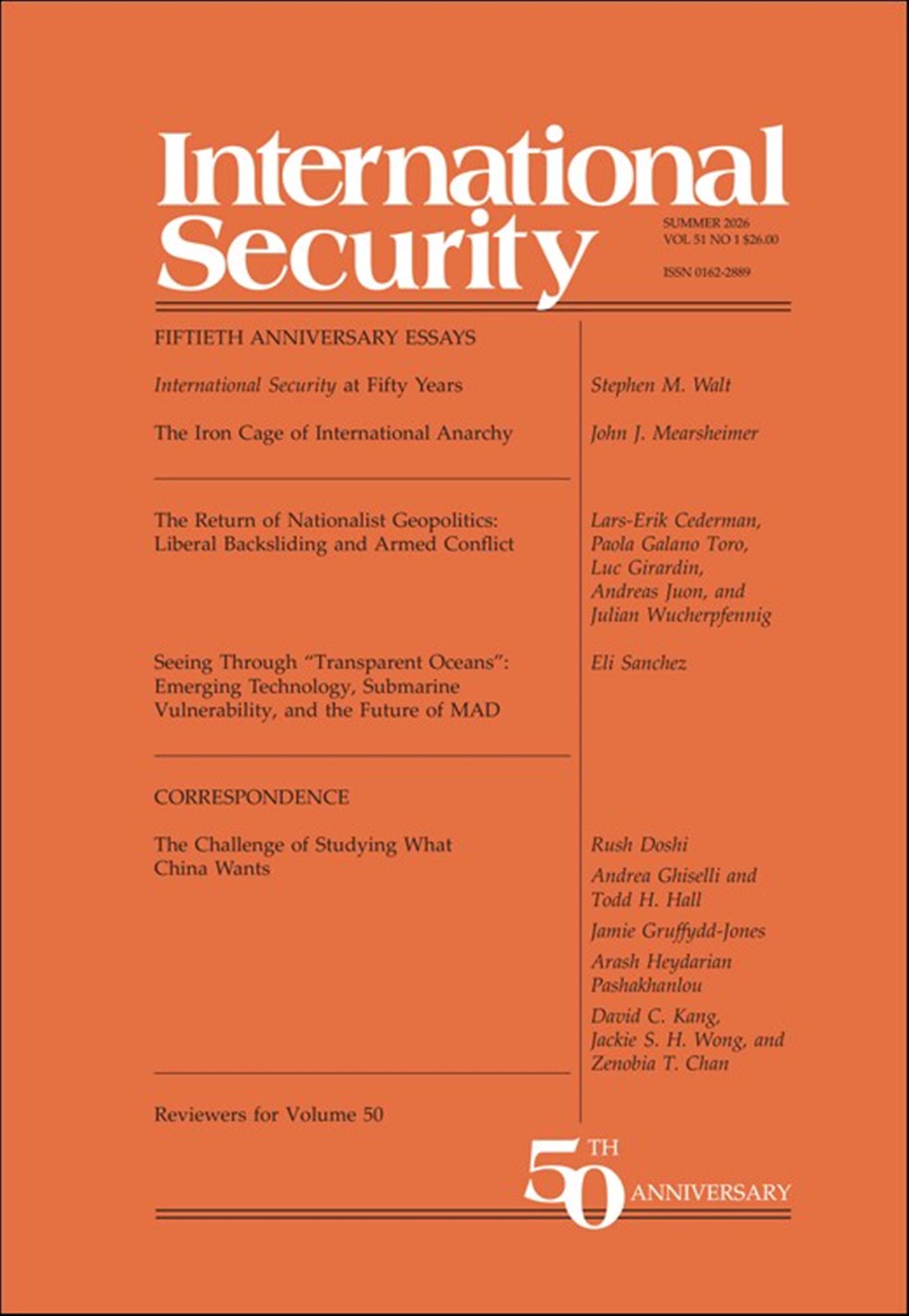
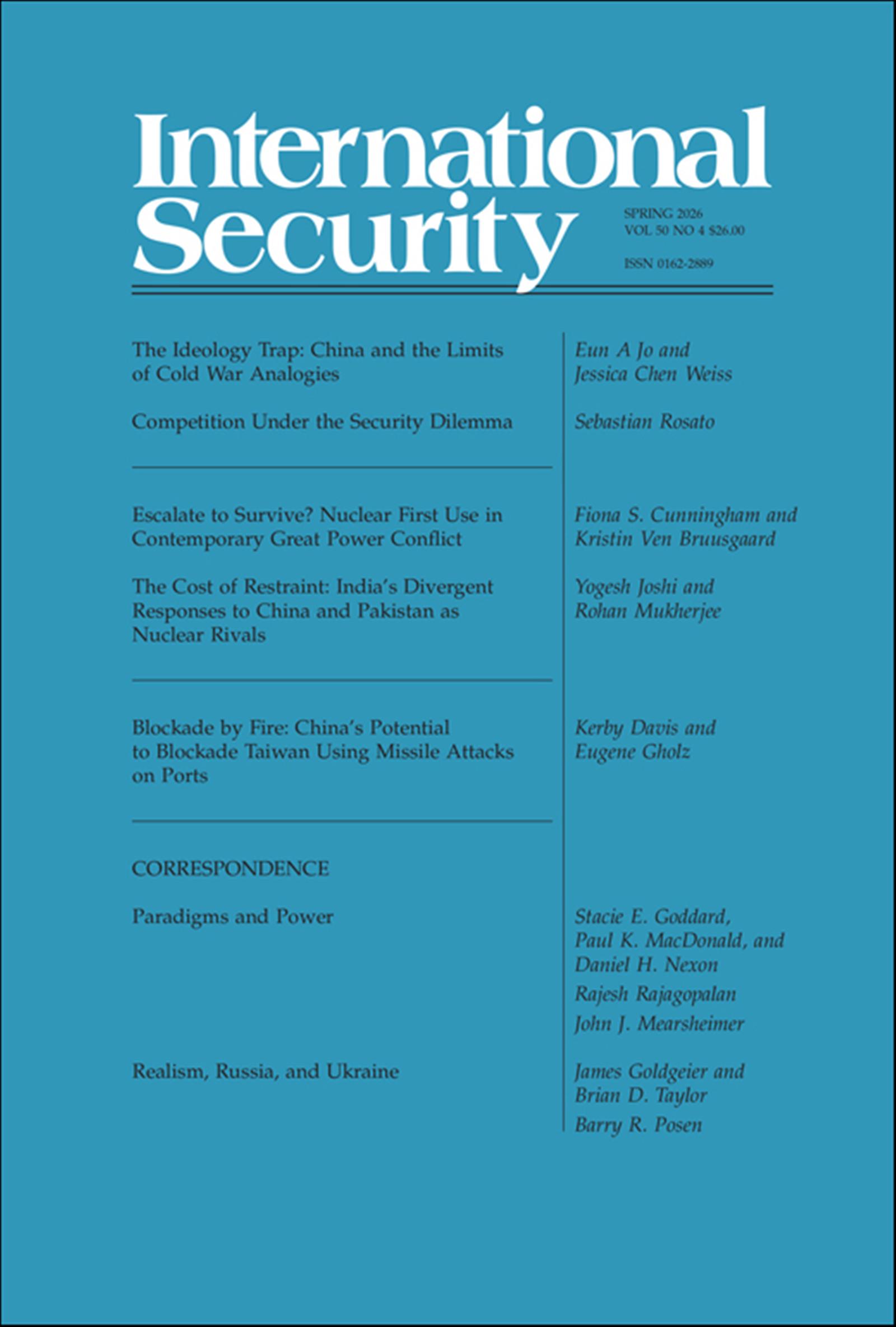
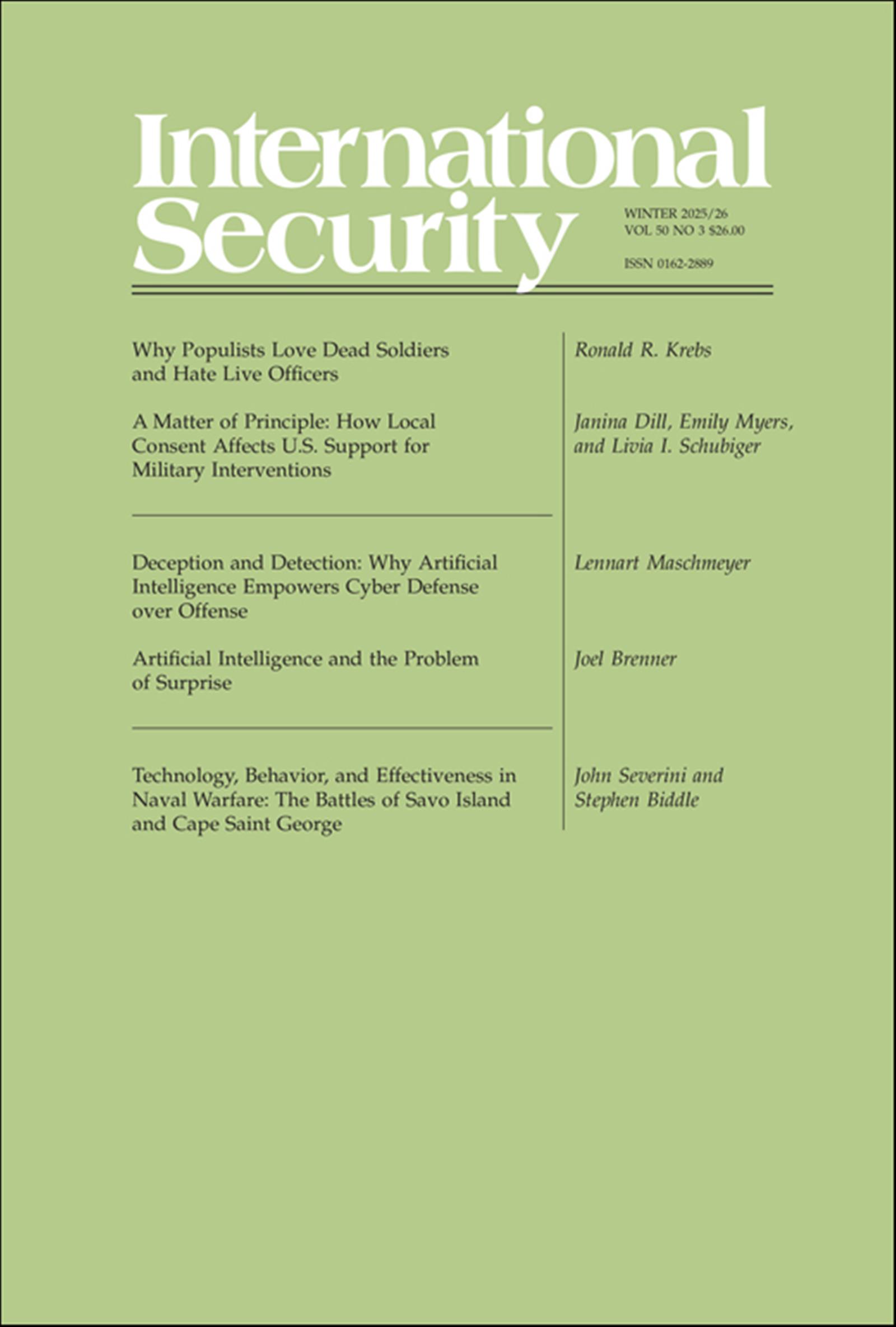
Technological advances in sensing and signal processing could improve the detection of strategic ballistic missile submarines and thereby affect the stability of nuclear deterrence. The analysis examines artificial intelligence, quantum sensors, space-based systems and advanced acoustic sensors. However, the available evidence suggests that these technologies are unlikely to fundamentally alter the survivability of such systems in the coming decades.
The Return of Nationalist Geopolitics: Liberal Backsliding and Armed Conflict
Since the early 2010s, political inclusion of ethnic groups has declined worldwide. At the same time, nationalist ideas and identity-based conflicts have gained prominence. The study challenges explanations that attribute global instability primarily to great-power competition, instead highlighting the erosion of liberal institutions as a key factor contributing to the emergence of new violent conflicts.
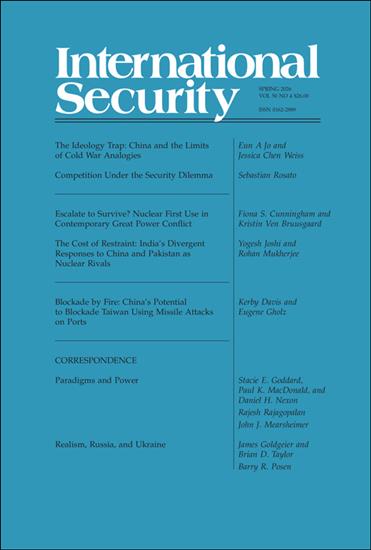
Escalate to Survive?: Nuclear First Use in Contemporary Great Power Conflict
The article compares nuclear first-use options in Chinese, Russian, and US strategies. Russia’s options aim to offset acute conventional and geographic vulnerabilities and protect regime survival. China, despite Taiwan, retains no first-use option, preferring non-nuclear tools. The United States preserves first-use options mainly for extended deterrence and damage limitation, creating distinct escalation dynamics in potential great-power conflicts.
Blockade by Fire: China's Potential to Blockade Taiwan Using Missile Attacks on Ports
The text examines Chinese options to coerce Taiwan via blockade rather than invasion. A traditional naval blockade is seen as risky, so a Monte Carlo model evaluates standoff missile strikes on ports to cut cargo throughput. Results suggest China could significantly suppress Taiwan’s trade at lower escalation risk, though blockades rarely meet political aims, and Taiwan can bolster resilience against such operations.
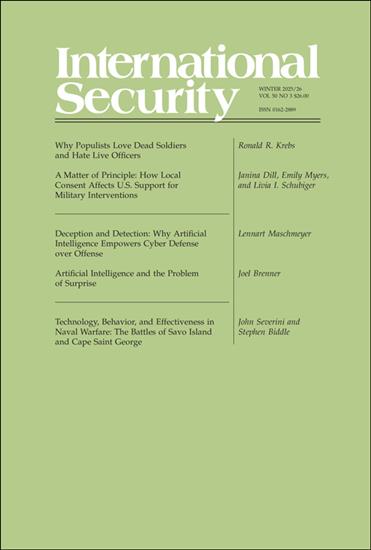
Why Populists Love Dead Soldiers and Hate Live Officers
Right-wing populist leaders often romanticize the military and its fallen members while viewing independent, professional officers as a latent threat to their political ambitions. Dead soldiers cannot object when their memory is exploited; live officers can. Populists therefore systematically erode military autonomy and professionalism, bending the institution toward loyalty. Five case studies — Brazil, India, Poland, Turkey, and the United States — illustrate this pattern.
Deception and Detection: Why Artificial Intelligence Empowers Cyber Defense over Offense
Contrary to widespread predictions, AI automation benefits cyber defense more than offense. Offensive cyber operations require creative deception — a capability AI models currently lack. Defensive operations, by contrast, rely on pattern recognition, where AI already excels. States investing in defense automation are therefore likely to gain a growing strategic advantage over those prioritizing offensive cyber capabilities.
International Security (USA) ist ein führendes Fachmagazin für Sicherheits- und Strategiestudien, das seit 1976 von der MIT Press publiziert wird. Sie veröffentlicht peer reviewte Aufsätze zu Militärkriegführung, Diplomatie, Terrorismus, Rüstungskontrolle und geopolitischer Analyse. Zielgruppe sind Wissenschaftler, politische Entscheidungsträger und Sicherheitsanalysten; die Beiträge kombinieren theoretische Innovationen mit empirischen Fallstudien. International Security prägt Debatten durch sorgfältige Forschung und kontroverse Essaywechsel. Obgleich akademisch, bleibt das Magazin zugänglich für Praktiker durch klare Argumentation und policyrelevante Empfehlungen. Damit gilt es als zentrale Plattform zur Reflexion über Bedrohungen, Strategien und internationale Ordnung. Seine Artikel werden breit zitiert und beeinflussen Militärpolitik weltweit nachhaltig und akademische Diskussionen.
Die Zeitschrift International Security (USA) bietet tiefgehende Analysen zu globalen Sicherheitsfragen, einschließlich Militärstrategie, internationale Beziehungen, Terrorismusbekämpfung, Rüstungskontrolle und Cybersecurity. Beiträge stammen von anerkannten Wissenschaftlern, Politikberatern und ehemaligen Militärs, die empirische Forschung mit theoretischer Reflexion verbinden. Fallstudien, policy-orientierte Empfehlungen und kritische Debatten zeichnen das Heft aus. Für Leser, die sich fragen, ob das Magazin wirklich fundiert ist, liefert es peer-reviewte Artikel, umfassende Literaturübersichten und aktuelle Datenvisualisierungen. Dadurch eignet sich die Publikation sowohl für Fachleute als auch für Studierende und Entscheidungsträger, die evidenzbasierte Einsichten in komplexe Sicherheitsdynamiken suchen. Regelmäßige Sonderausgaben beleuchten regionale Konflikte und technologische Innovationen im Verteidigungssektor und politische Perspektiven dargestellt.
Das Magazin International Security (USA) sollten vor allem Entscheidungsträger, Forscher und Studierende der Sicherheits- und Außenpolitik, Analysten in Think-Tanks sowie Journalisten, die tiefe Analysen, empirische Studien und strategische Debatten schätzen, lesen. Wer praktische Einsichten in Verteidigungsstrategien, Konfliktprävention und geopolitische Trends sucht, findet hier fundierte Beiträge von anerkannten Experten. Auch Diplomaten und Militärs profitieren von vergleichenden Fallstudien und policy-orientierten Empfehlungen. Kurz: Jeder, der ernsthaft verstehen will, wie internationale Sicherheitspolitik funktioniert und welche Optionen realistisch sind, sollte dieses Magazin in seine Lektüreliste aufnehmen. Es bietet zudem kritische Perspektiven, interdisziplinäre Ansätze sowie hochwertige Grafiken und Datenvisualisierungen zur Unterstützung fundierter Entscheidungen regelmäßig.
Der Verlag hinter dem Magazin International Security (USA) ist das renommierte MIT Press, das für wissenschaftliche Exzellenz und rigorose Begutachtung steht. Als akademisches Verlagshaus fördert MIT Press interdisziplinäre Forschung und gewährleistet, dass Artikel kritisch, fundiert und relevant für Sicherheitsstudien sind. Leser, die sich fragen, ob dieses Magazin wissenschaftlich und vertrauenswürdig ist, finden hier klare Belege: transparente Peer-Review-Prozesse, renommierte Herausgeber und internationale Zitierbarkeit. Der Verlag unterstützt zudem digitale Formate, offene Zugänge und internationale Kooperationen, wodurch International Security eine zentraler Ort für Debatten über internationale Politik, Konfliktforschung und strategische Analysen bleibt. Er fördert junge Wissenschaftlerinnen und stärkt evidenzbasierte politische Empfehlungen nachhaltig weltweit.
Seeing Through “Transparent Oceans”: Emerging Technology, Submarine Vulnerability, and the Future of MAD
Technological advances in sensing and signal processing could improve the detection of strategic ballistic missile submarines and thereby affect the stability of nuclear deterrence. The analysis examines artificial intelligence, quantum sensors, space-based systems and advanced acoustic sensors. However, the available evidence suggests that these technologies are unlikely to fundamentally alter the survivability of such systems in the coming decades.
The Return of Nationalist Geopolitics: Liberal Backsliding and Armed Conflict
Since the early 2010s, political inclusion of ethnic groups has declined worldwide. At the same time, nationalist ideas and identity-based conflicts have gained prominence. The study challenges explanations that attribute global instability primarily to great-power competition, instead highlighting the erosion of liberal institutions as a key factor contributing to the emergence of new violent conflicts.
Escalate to Survive?: Nuclear First Use in Contemporary Great Power Conflict
The article compares nuclear first-use options in Chinese, Russian, and US strategies. Russia’s options aim to offset acute conventional and geographic vulnerabilities and protect regime survival. China, despite Taiwan, retains no first-use option, preferring non-nuclear tools. The United States preserves first-use options mainly for extended deterrence and damage limitation, creating distinct escalation dynamics in potential great-power conflicts.
Blockade by Fire: China's Potential to Blockade Taiwan Using Missile Attacks on Ports
The text examines Chinese options to coerce Taiwan via blockade rather than invasion. A traditional naval blockade is seen as risky, so a Monte Carlo model evaluates standoff missile strikes on ports to cut cargo throughput. Results suggest China could significantly suppress Taiwan’s trade at lower escalation risk, though blockades rarely meet political aims, and Taiwan can bolster resilience against such operations.
Why Populists Love Dead Soldiers and Hate Live Officers
Right-wing populist leaders often romanticize the military and its fallen members while viewing independent, professional officers as a latent threat to their political ambitions. Dead soldiers cannot object when their memory is exploited; live officers can. Populists therefore systematically erode military autonomy and professionalism, bending the institution toward loyalty. Five case studies — Brazil, India, Poland, Turkey, and the United States — illustrate this pattern.
Deception and Detection: Why Artificial Intelligence Empowers Cyber Defense over Offense
Contrary to widespread predictions, AI automation benefits cyber defense more than offense. Offensive cyber operations require creative deception — a capability AI models currently lack. Defensive operations, by contrast, rely on pattern recognition, where AI already excels. States investing in defense automation are therefore likely to gain a growing strategic advantage over those prioritizing offensive cyber capabilities.
International Security (USA) ist ein führendes Fachmagazin für Sicherheits- und Strategiestudien, das seit 1976 von der MIT Press publiziert wird. Sie veröffentlicht peer reviewte Aufsätze zu Militärkriegführung, Diplomatie, Terrorismus, Rüstungskontrolle und geopolitischer Analyse. Zielgruppe sind Wissenschaftler, politische Entscheidungsträger und Sicherheitsanalysten; die Beiträge kombinieren theoretische Innovationen mit empirischen Fallstudien. International Security prägt Debatten durch sorgfältige Forschung und kontroverse Essaywechsel. Obgleich akademisch, bleibt das Magazin zugänglich für Praktiker durch klare Argumentation und policyrelevante Empfehlungen. Damit gilt es als zentrale Plattform zur Reflexion über Bedrohungen, Strategien und internationale Ordnung. Seine Artikel werden breit zitiert und beeinflussen Militärpolitik weltweit nachhaltig und akademische Diskussionen.
Die Zeitschrift International Security (USA) bietet tiefgehende Analysen zu globalen Sicherheitsfragen, einschließlich Militärstrategie, internationale Beziehungen, Terrorismusbekämpfung, Rüstungskontrolle und Cybersecurity. Beiträge stammen von anerkannten Wissenschaftlern, Politikberatern und ehemaligen Militärs, die empirische Forschung mit theoretischer Reflexion verbinden. Fallstudien, policy-orientierte Empfehlungen und kritische Debatten zeichnen das Heft aus. Für Leser, die sich fragen, ob das Magazin wirklich fundiert ist, liefert es peer-reviewte Artikel, umfassende Literaturübersichten und aktuelle Datenvisualisierungen. Dadurch eignet sich die Publikation sowohl für Fachleute als auch für Studierende und Entscheidungsträger, die evidenzbasierte Einsichten in komplexe Sicherheitsdynamiken suchen. Regelmäßige Sonderausgaben beleuchten regionale Konflikte und technologische Innovationen im Verteidigungssektor und politische Perspektiven dargestellt.
Das Magazin International Security (USA) sollten vor allem Entscheidungsträger, Forscher und Studierende der Sicherheits- und Außenpolitik, Analysten in Think-Tanks sowie Journalisten, die tiefe Analysen, empirische Studien und strategische Debatten schätzen, lesen. Wer praktische Einsichten in Verteidigungsstrategien, Konfliktprävention und geopolitische Trends sucht, findet hier fundierte Beiträge von anerkannten Experten. Auch Diplomaten und Militärs profitieren von vergleichenden Fallstudien und policy-orientierten Empfehlungen. Kurz: Jeder, der ernsthaft verstehen will, wie internationale Sicherheitspolitik funktioniert und welche Optionen realistisch sind, sollte dieses Magazin in seine Lektüreliste aufnehmen. Es bietet zudem kritische Perspektiven, interdisziplinäre Ansätze sowie hochwertige Grafiken und Datenvisualisierungen zur Unterstützung fundierter Entscheidungen regelmäßig.
Der Verlag hinter dem Magazin International Security (USA) ist das renommierte MIT Press, das für wissenschaftliche Exzellenz und rigorose Begutachtung steht. Als akademisches Verlagshaus fördert MIT Press interdisziplinäre Forschung und gewährleistet, dass Artikel kritisch, fundiert und relevant für Sicherheitsstudien sind. Leser, die sich fragen, ob dieses Magazin wissenschaftlich und vertrauenswürdig ist, finden hier klare Belege: transparente Peer-Review-Prozesse, renommierte Herausgeber und internationale Zitierbarkeit. Der Verlag unterstützt zudem digitale Formate, offene Zugänge und internationale Kooperationen, wodurch International Security eine zentraler Ort für Debatten über internationale Politik, Konfliktforschung und strategische Analysen bleibt. Er fördert junge Wissenschaftlerinnen und stärkt evidenzbasierte politische Empfehlungen nachhaltig weltweit.
 5,00
4,88
4,75
4,67
4,56
4,44
0,00
4,00
4,57
4,65
4,80
4,63
4,40
4,40
4,77
4,53
4,29
4,76
4,84
4,55
4,62
4,77
4,75
5,00
4,79
4,65
4,87
4,57
5,00
4,88
4,75
4,67
4,56
4,44
0,00
4,00
4,57
4,65
4,80
4,63
4,40
4,40
4,77
4,53
4,29
4,76
4,84
4,55
4,62
4,77
4,75
5,00
4,79
4,65
4,87
4,57